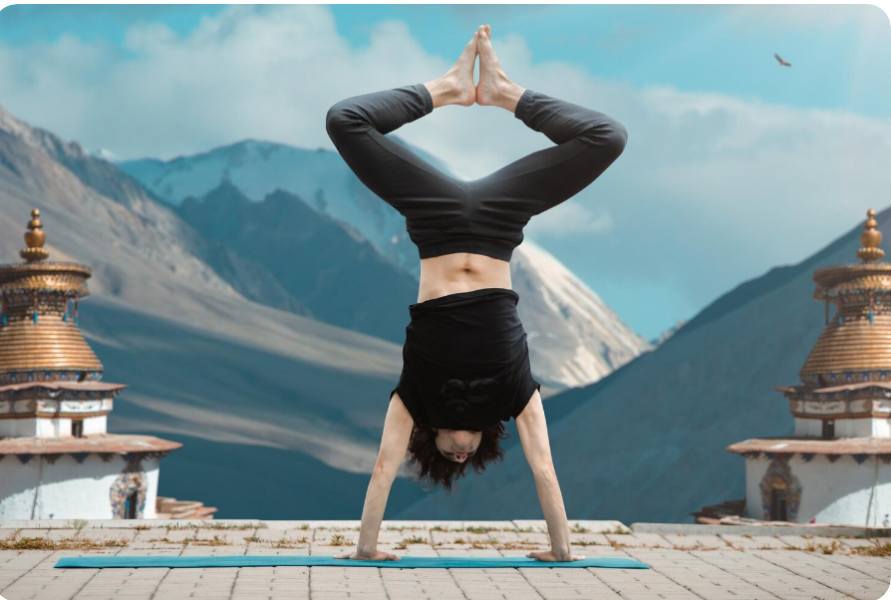
Core Strength and Stability Gained from Yoga in Pacific Beach
Say the word “core” to most people, and the first thing they picture is a six-pack. The fitness industry has been selling that exact image for decades now, so it’s kind of locked into everybody’s head as the default. The actual core, though, the way your body really uses it, is way bigger than just the rectus abdominis that everyone is trying to make show through their shirt. Whole core wraps around the entire middle of you, from front to back, from top to bottom, and includes a bunch of muscles you’ve probably never thought about once.
The funny thing is, yoga ends up building this kind of real core strength almost as a side effect. There aren’t any crunches in a normal yoga class. And yet folks who stick with the practice for a while tend to have core strength that translates into stuff that most regular gym people honestly can’t pull off. Yoga in Pacific Beach puts their classes together around shapes that constantly pull the deep core in, even when, from the outside, it doesn’t look like that’s what’s happening at all.
So this post breaks down what core strength actually means, why yoga builds it in ways other workouts don’t, and what shifts when you stay with the practice for a real chunk of time. If you’ve been searching for yoga near me, hoping to find something that builds usable strength instead of just chasing aesthetics, Tranquil Tree Yoga in Pacific Beach offers small-group classes where the core work runs through the entire practice rather than getting stuffed into a separate segment tacked on somewhere at the end.
What the Core Actually Is
Core is way more than just the abs. The rectus abdominis is in there, but there’s also the transversus abdominis underneath it, the obliques running down the sides, the multifidus and erector spinae along the spine, plus the diaphragm at the top and the pelvic floor at the bottom. A full canister of muscle wrapped around the middle.
That entire canister is what supports spinal stability, posture, breathing mechanics, and basically every single movement you make that uses your trunk. Almost nothing your body does involves the core not being part of it. Training just the rectus abdominis with crunches alone misses about 80 percent of what the core is even there to do.
How Yoga Recruits the Core Differently
In most yoga poses, the core is recruited as a stabilizer rather than the primary target. Holding warrior three on a single leg, the entire core is firing just to keep you upright. Tree pose, the same thing. Even something supposedly simple like downward dog is quietly demanding core engagement to keep the spine extended and the hips actually lifted.
What you build through this kind of training is what trainers call functional core strength. Strength that actually shows up when you need it during real-life movement, not just during isolated ab work. Regular yoga people end up with noticeably better posture, balance, and overall movement quality, and most of that traces directly back to how their core works.
The Transverse Abdominis Specifically
So this is the muscle nobody has ever heard of, and it might just be the single most important one in the whole core. The transversus abdominis wraps horizontally around the abdomen, kind of like a built-in corset. Engages, and the spine stabilizes from the inside out. If it doesn’t fire properly, the spine has to lean on the larger surface muscles to do work they really aren’t designed for.
Yoga is great at training the transverse, and a big part of that is the breath component. Engaging the transverse on an exhale, drawing the lower belly back toward the spine, is foundational in yoga, and just about every class reinforces it. Years of doing that, and the muscle ends up developing in ways that pure ab work really can’t replicate.
Plank and Its Variations
The plank is actually one of the rare yoga poses that directly targets the core as the primary mover. And there isn’t just one plank either. Side plank gets the obliques in a way nothing else really does. Forearm plank changes how load is distributed throughout the body. Plank with a leg lift adds a rotational stability challenge on top. Each version hits the core from a slightly different direction.
The difference with yoga planks is the duration of the hold. Held for a bunch of breaths, controlled, with attention staying on the form throughout. Isometric work like this builds endurance in the core muscles that quick movements and crunches really don’t develop at all. Core has to learn to fire steadily over time, not just punch out for two seconds.
Balance Poses and Deep Stability
Standing balance poses are a sort of sneaky core training without looking like it. Tree, warrior three, half moon, all of those need constant tiny adjustments from the deep core muscles just to keep the body standing on one leg. The large surface muscles can’t do this kind of work; they are just too slow to respond. So the deep stabilizers have to fire constantly in these tiny little corrections.
Training like this builds proprioception right alongside the strength. The body figures out where it’s at in space and how to make those small adjustments without you ever consciously thinking about it. Older practitioners often credit yoga with cutting their fall risk in everyday life, and the balance work is honestly a huge part of why that happens.
When Core Strength Translates to Pain Relief, a large percentage of chronic low back pain stems directly from weak or uncoordinated core muscles. The spine depends on the surrounding muscles to share the load. Those muscles aren’t doing their job, and the spine ends up absorbing way more force than it’s built to handle, which is where the pain comes from.
Building core strength through yoga is genuinely one of the most effective things you can do for this kind of pain. Not always a fast fix, no, but consistent practice over a few months really does tend to make a big difference. People who originally came to yoga because their backs were hurting often end up sticking around because that pain no longer shows up the way it used to.
Core strength built through yoga is not going to make you look like a fitness model. What it actually does is make your body work better in pretty much any situation life throws at you. Honestly, it’s worth more in the long run than any six-pack ever was.
Featured Image Source: https://www.magnific.com/free-photo/yoga-man-young-man-doing-yoga-loft-sunrise_27068892.htm#fromView=search&page=1&position=0&uuid=6a76ecd5-3735-49a3-a1c3-1b71a12d1388&query=strength+and+stabilit+from+yoga