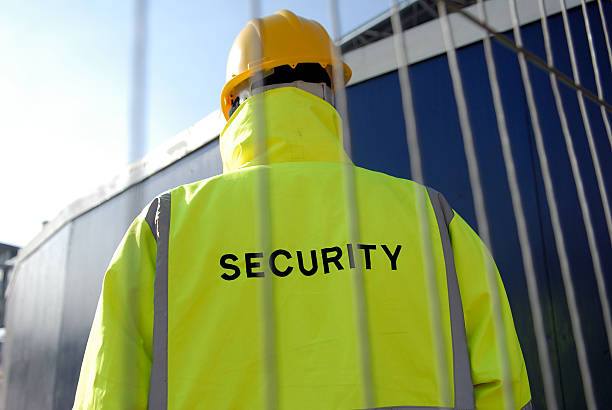
Construction Site Security and Warehouse Security Guards: Matching the Right Officer To the Right Site
Two guards can hold the same license and still be nothing alike. One stays sharp through a dead-quiet overnight. The other fades by 2 a.m. One talks a tense situation down. The other makes it worse. The badge says they are qualified. It says nothing about whether they fit your site. Good construction site security depends less on hiring “a guard” and more on hiring the right guard for that place.
People treat officers as interchangeable, and that assumption costs them. The truth is that construction site security and warehouse security guards call for different temperaments, not just different schedules. A remote build at night needs someone who handles isolation and stays alert with no one around. Warehouse security guards work a busy floor where reading people and tracking details matter more than standing watch over an empty lot.
Think about what each post actually asks of a person. Construction site security often means long, solitary hours, rough ground, and the discipline to keep patrolling when nothing has happened for weeks. Warehouse security guards spend their shift around people, checking credentials, watching docks, catching the small wrong thing inside a stream of normal activity. Same profession. Almost opposite daily demands. A person who shines at one can struggle at the other.
Alertness Beats Everything On a Quiet Site
The hardest part of guarding an empty building is the boredom. Nothing happens, night after night, until the one night it does. Some people lose focus in that stretch. They sit in the truck, scroll a phone, miss the headlights at the back gate. The officer you want on a quiet site is the rare one who stays switched on through the dull hours. That trait is hard to fake and easy to spot once you know to look. A guard who runs the same route at the same time every night has already lost the edge, because a thief watching the site will learn that rhythm fast.
Judgement Under Pressure
When something does go wrong, the guard’s first call shapes everything after. A good officer reads the moment. Is this a lost driver or a thief testing the fence? Do you call it in, hold back, or step up? Bad judgment here turns a small incident into a lawsuit or a fight. You want someone calm who thinks before reacting, not someone itching to play hero or, worse, someone who freezes. Hard to teach. People either bring it or they do not. The right move is usually to observe, document, and call it in, and a seasoned guard knows which is which.
People Skills For the Warehouse Floor
A storage site flips the priorities. Here, the guard deals with humans all day, drivers, staff, visitors, and vendors. The job needs someone who can be firm without being rude, who checks a credential without starting a fight, who notices the driver acting up without tipping them off. A guard with no social read either annoys everyone or misses the quiet collusion happening at the dock. Watching people well is a skill, and not every officer has it. The losses at a warehouse rarely come from a smashed window at midnight. They come from someone walking out the front with goods they were trusted to move.
Physical Presence and Deterrence
Sometimes the point is to be seen. A large, visible officer at a gate stops trouble before it starts, because the easy target just got harder. Other posts want the opposite: someone low-key who blends in and observes. Neither is better. They fit different jobs. Matching the build of the officer to the goal of the post is a small thing owners overlook, then wonder why the deterrence is not working.
Familiarity is Worth Keeping
Here is a habit good companies protect. They keep the same officer on your site instead of rotating a new face every week. Why does that matter? A guard who knows your property learns its patterns. They notice the car that does not belong, the gate left open, the routine that broke. A stranger sees none of that. Constant turnover, a different face every few shifts, means nobody ever learns the place. That alone leaves you exposed, no matter how qualified each individual is. A familiar guard also builds trust with your crew, so the foreman flags a problem early instead of working around them.
The Provider Does the Matching, or Nobody Does
You will not interview every officer yourself. That is the security company’s job, and it tells you a lot about them. A good provider asks about your site before assigning anyone. Remote or busy? Day risk or night risk? People-facing or pure deterrence? A lazy provider just sends whoever is free. If the company never asks what your site is like, it is not matching anyone to anything. It is filling a slot.
So how do you make sure the fit is right? Tell the provider exactly what your site demands, then ask how they choose who to send. Push on consistency, because a familiar guard beats a qualified stranger most days. Watch the first few shifts and trust what you see. A guard who fits clicks into the rhythm fast. One who does not will show it early, and a good company swaps them without you having to beg. The license gets someone through the door. The match is what actually keeps your site safe.
Featured Image Source: https://media.istockphoto.com/id/96309375/photo/view-of-security-man-from-behind.jpg?b=1&s=612×612&w=0&k=20&c=vB9u0aowvquXrxcc201QwbjgmKed6UxCUs5wxf8DgOE=