What Are the Best Alcohol Treatment Options in Kalyan West?
Living with alcohol dependency feels like watching parts of your life slip out of reach. The morning shakes. The promises that keep breaking. The way relationships start to fray, even when you swear this time will be different. Most online searches for alcohol treatment Kalyan West start late, often after a hospital visit, a job loss, or a moment that scares everyone into action.
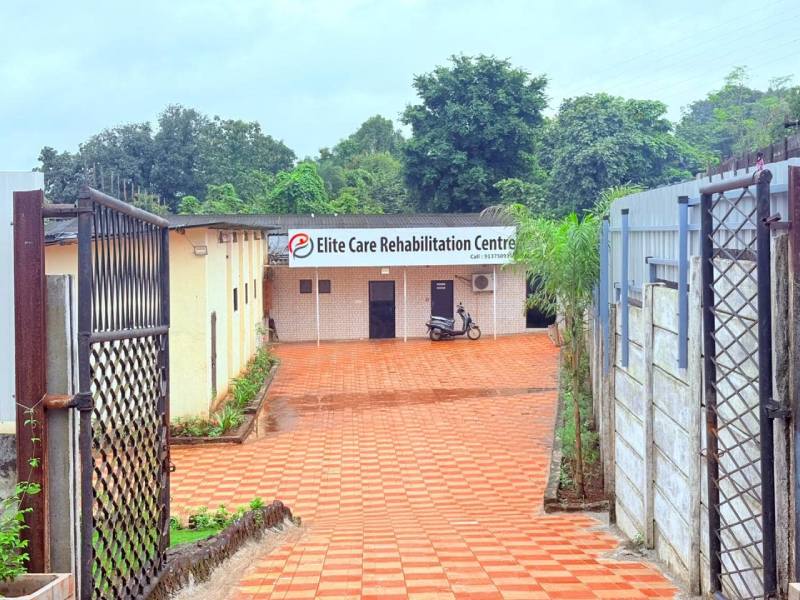
Waiting longer rarely makes recovery easier. Centres like Elite Care Foundation often see patients arrive at this exact tipping point, when the body and mind have already paid a heavy price. The earlier the intervention, the gentler the road ahead.
Kalyan West has quietly grown into a recovery hub over the past few years. More clinical centres, better-trained counsellors, and treatment options that actually fit different lifestyles. This guide walks through what works, what to watch for, and why timing matters more than most people think.
So what does the right path to recovery look like for you or someone you love?
Detox: Where the Body Begins to Reset
Walking into detox is rarely glamorous. The first 72 hours can feel like the worst flu you have ever had, mixed with anxiety, sweating, and broken sleep. For some people, withdrawal goes further, into seizures, hallucinations, and dangerously high blood pressure. That is why doctors warn against quitting alcohol cold turkey at home, especially after years of heavy use.
Medically supervised detox in Kalyan West changes the picture. Trained staff monitor vitals, manage symptoms with safe medications, and step in fast if anything goes wrong. The goal is not just comfort. It is keeping the patient alive and stable while the body clears alcohol from its system.
A few things tend to happen during this stage. Doctors run blood work and check liver function. Nurses track hydration, sleep, and mood swings around the clock. Counsellors begin gentle conversations, usually short ones, since the brain is still in fog mode.
Skipping detox, or trying to push through it alone, often ends in relapse within days. The body, used to alcohol for years, screams for it back. A supervised programme breaks that cycle in a controlled setting, which is why most alcohol rehab Kalyan providers begin treatment here.
Living In or Living Around: Two Paths Through Rehab
Once detox ends, the next question is where recovery happens. Inpatient rehabilitation means living at the centre, usually for 28 to 90 days. Patients sleep there, eat there, attend therapy there, and stay away from the triggers that surround daily life. For someone whose home or social circle pushes them back toward drinking, this distance can be the difference between progress and another relapse.
Outpatient programmes work differently. Patients attend sessions during the day or evening, then return home. They keep working, looking after children, and managing routines. The structure is lighter, the cost is usually lower, and recovery happens in the same environment that triggered the drinking in the first place.
The right choice depends on a few things:
- How severe the dependency has become
- Whether the home environment supports sobriety or sabotages it
- Job and family responsibilities that cannot pause for weeks
- Past attempts at quitting, and how those went
Someone with steady family support and mild dependency might do well with the outpatient alcohol treatment Kalyan clinics typically offer. Someone with severe addiction or repeated relapses usually needs inpatient care, where temptation cannot reach them. The honest conversation with a clinician matters more than any brochure when comparing the best rehab centres Kalyan West has on offer.
Talking Through the Knots: Therapy That Reshapes Behaviour
Alcohol addiction is not just a body problem. It is a thinking problem, a feeling problem, and often a relationship problem. Treatment that ignores the mind rarely sticks, which is why every reputable de-addiction centre Kalyan West lists therapy as the backbone of its programme.
Individual therapy is where most patients begin. Cognitive Behavioural Therapy helps people spot the thoughts that drive them toward a drink. Negative self-talk. Catastrophising. The belief that one bad day means total failure. Therapists challenge those patterns and replace them with steadier ones over weeks of sessions. Motivational Interviewing takes a softer route, helping patients find their own reasons for change rather than being told to change.
Group therapy adds something therapy rooms cannot. Other people. Hearing someone three months ahead in recovery describe the same fears and slips creates a sense that this path is walkable. Patients hold each other accountable in ways no clinician can replicate.
Family counselling brings in the people who have lived alongside the addiction. Spouses learn how to stop enabling without shutting the door. Parents start understanding that addiction is a medical condition, not a moral failure. Whoever heals around the patient often shapes whether the patient stays sober.
Medication That Quiets the Cravings
For many people in recovery, willpower runs out by week three. The cravings come at strange hours. The brain, rewired by years of alcohol use, sends signals that feel impossible to ignore. Medication-assisted treatment helps patients ride out this period without giving in. Most alcohol recovery programs India offers now combine MAT with therapy as standard practice.
Three medicines are common across clinics in Kalyan West, each working through a different mechanism. Naltrexone blocks the pleasurable effects of alcohol, so even if a patient drinks, the reward is missing. Acamprosate steadies brain chemistry that has been thrown off by long-term drinking, easing the restlessness and sleep problems that drive relapse. Disulfiram takes a different angle, causing uncomfortable physical reactions when alcohol enters the body, which discourages drinking entirely.
These medicines are not magic. A patient who never addresses the emotional roots of the drinking will likely relapse the moment the prescription stops. Doctors monitor liver function, mental health, and side effects throughout the course.
The most common mistake patients make is starting medication, feeling better, and stopping early. Cravings return, the support disappears, and the cycle restarts. MAT works best as a longer-term plan, often six months to two years, paired with counselling and regular check-ins.
Life After the Programme: Staying Sober in Kalyan West
The first ninety days after rehab are statistically the riskiest. Old friends call. Familiar bars are still on the way home. The job stress that triggered drinking in the first place has not disappeared. Without a plan, the gains made during treatment can unravel quickly.
Aftercare is what bridges the gap. Most centres in Kalyan West offer ongoing counselling, usually weekly or fortnightly, where patients work through real-life challenges as they arise. Missed a meeting? Drank one glass at a wedding? These get talked through before they spiral.
Support groups matter just as much. Alcoholics Anonymous chapters meet across Kalyan and Thane regularly. Some patients prefer SMART Recovery, which leans more on cognitive tools than the spiritual framing of AA. Either way, the consistency of showing up week after week builds the kind of accountability that solo recovery rarely manages.
A rough recovery roadmap looks something like this:
- Months 1 to 3: Weekly therapy, daily check-ins, support group attendance
- Months 4 to 6: Reduced therapy frequency, reintroducing routines, building healthier habits
- Months 7 to 12: Monthly check-ins, focus on lifestyle, work, and relationships
- Year 2 onward: Maintenance mode, occasional therapy, sustained community involvement
Lifestyle changes also stack up. Better sleep. Regular exercise. Cutting ties with people who pull patients backward. Recovery is less about willpower and more about redesigning the day-to-day so that sobriety becomes the easier option.
The Path Forward in Kalyan West
Recovery from alcohol dependency is rarely linear. There are good weeks and rough ones, sessions that feel like breakthroughs and sessions that feel like nothing changed. What makes the difference is having the right team, the right setting, and a plan that holds when willpower runs out.
Kalyan West has a growing range of options, from medically supervised detox to long-term aftercare. The choice between inpatient and outpatient, between MAT and therapy alone, between AA and SMART Recovery, depends entirely on the person and their circumstances. None of this gets easier by waiting.
If you or someone close is struggling, the next step is a quiet conversation with a local treatment centre or addiction specialist. A short consultation, even before committing to anything, often clears more confusion than months of online research.
FAQs
How do I choose the right alcohol treatment programme?
The right choice depends on three things: how severe the dependency is, what the home environment looks like, and what medical conditions are present. Mild cases with strong family support often do well in outpatient settings. Severe cases, or those with previous relapses, usually need inpatient care.
Is detox necessary for everyone?
Not always. Light to moderate drinkers with no withdrawal symptoms can sometimes start with therapy alone. For moderate to severe alcohol use, supervised detox is strongly recommended, since unsupervised withdrawal can be dangerous and occasionally fatal.
How long does alcohol rehabilitation take?
Programmes vary widely. Inpatient stays usually run 28 to 90 days. Outpatient treatment often spans three to six months. Aftercare and counselling can continue for a year or longer, depending on the patient’s progress.
Can I continue working during treatment?
Outpatient programmes are built around this. Sessions happen in the evenings or on weekends, allowing patients to keep their jobs and home routines. Inpatient care, by design, requires stepping away from work for the duration of the stay.
Are alcohol treatment programmes confidential?
Yes. Reputable centres in Kalyan West follow strict patient privacy standards. Records, attendance, and clinical details are shared only with the patient and, where permitted, designated family members.