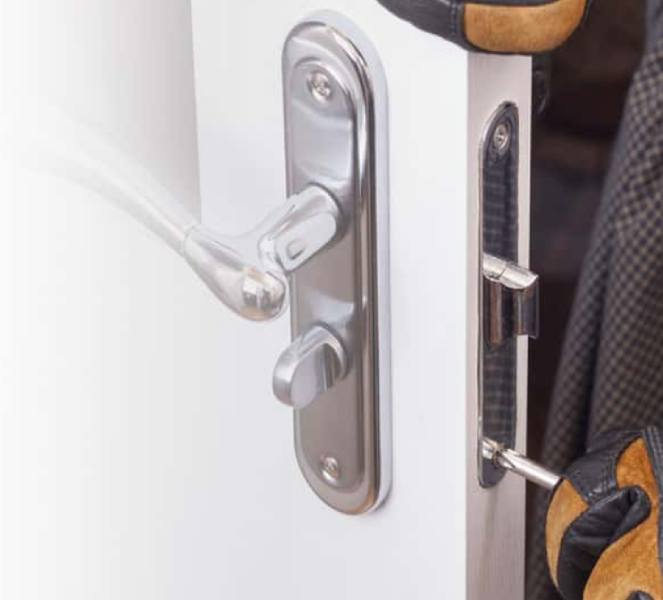
Broke Your Key in the Front Door? Don’t Touch It Until You Read This
You insert the key, you turn, and you hear that little sick snap! Part of the key comes out. The other half remains stuck in the lock. The instinct is to reach for pliers, the tweezers, maybe a paperclip, and start going at it. Stop right there. What you do in the next couple of minutes determines if this is a repair that may be covered or whether it will turn into a full lock replacement and cost a lot more than should have been necessary.
Despite what you may think, a broken key occurrence is not uncommon, and the rationale for it is hardly ever your fault. Older keys wear down. You are on data at the shoulder for cheap copies to go flat. A cold morning and a stiff cylinder load the metal more. Typically, when a call goes through to someone providing emergency locksmith services to report a mangled key, the individual on the line finds themselves at their front porch with groceries melting in the summer sun. At the same time, the children grow more frantic by the minute. Now, here is where most people mess it up.
As soon as you start prodding that broken part, there’s a high chance you’ll push it further. Not so simple when you push it past the pins; now an extraction is a drill-out. That’s when Sunshine State Lock and Key can turn a five-minute job into a complete rekey. So before you go reaching for the tool, take a deep breath and read what actually works.
Why the Key Broke in the First Place
Keys never shatter for no reason. Something was already wrong. Understanding what helps you prevent it from reincarnating next week.
- The locking cylinder may be stiff, dirty, or slightly rusty internally.
- You made that turn because the key was already stuck.
- It was a copy of a copy, so the cuts were just a little inexact.
- Grit or dirt accumulated from time in the keyway.
An early indication of failure, experience suggests, is that most broken keys do not fail suddenly. They stick. They need a wiggle. They feel loose in the turn. You might have experienced one of these for weeks and forced through it anyway. A lot of people do.
What to Do the Second It Shatters
Your goal is simple. Do not make it worse. The broken bit is in the keyway, and as long as it stays there, a locksmith can pull it quick.
Do this first:
- Don’t immediately turn the lock.
- Do not move the broken piece.
- Do not spray the lock with oil, WD–40, or graphite just yet.
- Do not jam metal objects into the keyway for fishing.
- Photograph the lock and the half-broken key.
This is where the photo comes in very handy. It informs the locksmith what brand of lock and approximately how deep the piece is placed. That saves time on arrival.
Now check something. Does the broken-off piece lie flat with the hole or is it pushed well inside? If it’s partially protruding, you might be able to pop it out. If it is buried, hands off. Call for help.
The Only At-home Trick You Should Consider Trying
However, there’s one method that may work sometimes and only if the end of the broken section is showing at the edge of the keyway.
Grab two flat, thin, inflexible pieces, the inner sides of two little tweezers. Insert them and slide on both sides of the broken key. Squeeze in, grip the metal, and pull straight out. Do not twist. Go again, snap tightly or shoulder-deep down.
That first gentle try, if it does not slide out, is over. Scratch the pins, mess up a cylinder by trying it ten times in a row. One clean try. That is it.
When to Avoid the DIY and Call a Pro
After all, some things are not worth risking. Everything behind that front door is safe from the world. A guess during a repair can convert a successfully working lock to industrial waste.
Call emergency locksmith services when:
- The broken piece is then forced deep into the keyway.
- Your first soft tug did not remove it.
- The lock feels loose, gets stuck, or spins freely.
- You’re the only working entrance, and you can’t get in.
- It’s a top-range security model or smart lock you don’t want damaged.
An expert tech has the correct extraction picks, key-making equipment, and substitution blanks. That means that for the vast majority of jobs, you’re going to be done right then and there, not dragging your entire day into tomorrow.
Sunshine State Lock and Key Approach to a Broken Key
The team shows up with extraction equipment specifically made for this type of issue. The broken part comes out nice and clean, but almost all of the pins remain intact, so you can still use your old lock. Need a fresh key cut? That occurs right there on the front door. Even if the lock absorbs damage from earlier prying, a rekey or replacement will quickly have you secure again.
Keep that number handy: (561) 759-9994. Store it on your phone now, before you need it; searching for help from the street while positioned in the dark is not anyone’s concept of a great time.
Everyday Habits That Prevent the Next Break
With some maintenance, you can bypass this whole fiasco. None of it takes long.
- You copy the original, not a copy of a copy to make copies.
- Occasionally, use compressed air to blow out the keyway.
- When it comes to a sticky lock, you want to resolve this issue as soon as possible before someone ends up forcing it.
- Another good idea is to keep one spare key somewhere safe and reachable.
A lock is something you pay no attention to until it breaks. Pay it a modicum of attention, and it rewards you with years of silent, boring dependability. And, when it comes to your front door, this is precisely what you want.
Whenever you encounter a key feeling somewhat stiff, do not force it. That little bit of resistance is the lock crying for help. With early listening, you save yourself the misery of a broken-key panic in the first place.