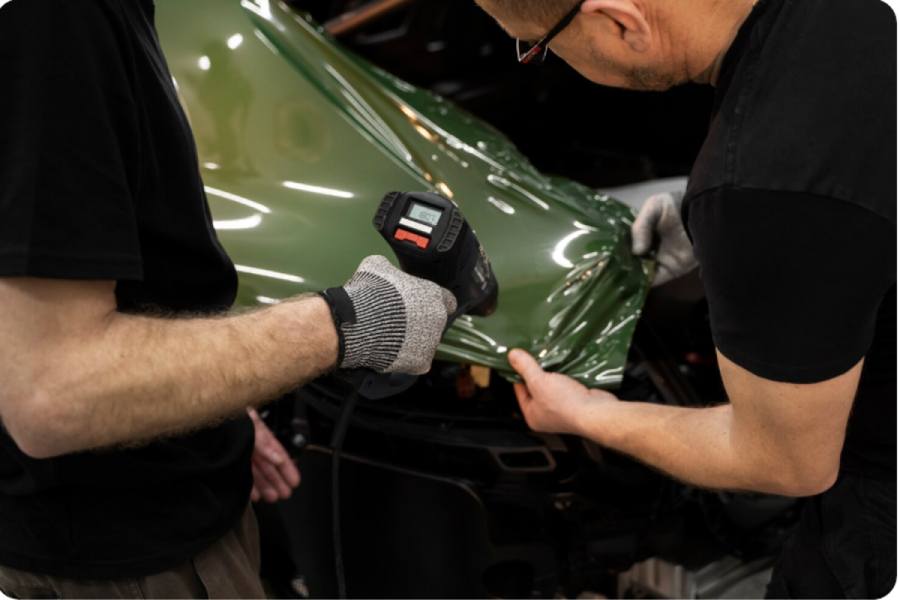
Precision Cutting Technology Used by Car Wrap Shops in Toronto
Walk into a shop ten years ago and watch a wrap install, and you’d see installers cutting film with razor blades, freehand, working off marks they made with a paint pen. The same shop today probably has a plotter sitting in the corner that prints and cuts panels to exact specifications before any film goes near the car. The shift happened gradually, but it’s almost universal at this point. Precision cutting technology has changed how wrap work gets planned and executed, and the shops that invested early are turning out cleaner installs as a direct result.
The bigger story here isn’t just the plotters. It’s the whole digital workflow that feeds them. Vehicle templates from manufacturers like XPEL and SunTek now exist for thousands of car models. Software lays out the panels. The plotter cuts each piece to exact dimensions. The installer applies pre-cut sections rather than measuring and trimming on the car itself. The busier car wrap shops in Toronto have mostly converted to this workflow because the quality difference is genuinely significant.
If you’ve been searching for PPF near me and trying to figure out what makes one quote different from another, the cutting technology question is one of the key variables. A shop running pre-cut PPF templates from a current software subscription is doing different work than a shop hand-cutting from bulk rolls. Both can deliver good results in skilled hands, but the margins for error are wildly different.
How Plotters Work in a Wrap Shop
A plotter is essentially a precision cutting machine that uses a small blade controlled by a computer to cut shapes out of vinyl or PPF film. The blade moves along two axes under digital control, cutting through the film without penetrating the backing paper beneath. What comes out is a flat sheet with the panel shape ready to peel and apply.
The cuts are accurate to under a millimetre on quality machines. That precision matters because edges are the most vulnerable part of any wrap install. A panel cut precisely to the right shape sits flush against trim lines and tucks cleanly into seams. A hand-cut panel can end up close to right but rarely exactly right, and the tiny gaps or overhangs become problems later.
What Software Templates Actually Do
The template libraries from major film manufacturers contain digital models of nearly every car panel sold in North America. Open the software, select the make, model, and year, choose which panels you want cut, and the system generates the cut files automatically. The shop then sends those files to the plotter and gets exact panel-shaped pieces of film coming out the other end.
This is a meaningful jump from how things used to work. Old-school installers measured panels with rulers and squares, marked the film with chalk or pen, and cut by hand using straight edges and razor knives. Skilled installers got good at this. The best ones could hand-cut a panel almost as accurately as a plotter can. But it took years of practice, and the work varied by installer, by day, and by how tired the person was after a long shift. Software templates removed most of that variability.
Why Pre-Cut PPF Matters Specifically
Paint protection film benefits even more from precision cutting than vinyl wrap does. PPF is thicker, stiffer, and harder to manipulate by hand. Trying to trim it accurately on the car itself usually means cutting against the painted surface with a razor, which is exactly as risky as it sounds. Even careful installers occasionally score the clear coat doing this. With pre-cut templates, the film comes out of the plotter ready to apply, and no blade ever touches the paint.
The other PPF-specific advantage is around complex panels. A modern bumper has curves, recesses, sensor cutouts, and trim transitions that would take an experienced installer hours to hand-cut accurately. The same panel from a template comes pre-cut with all those features built in. Install time drops by half or more on complex panels, and quality goes up at the same time.
What Plotters Can’t Do Yet
Templates don’t cover every car. Newer models, low-volume vehicles, and aftermarket modifications often aren’t in the libraries. When a customer rolls in with a heavily modified car or something that’s been on the market less than 6 months, the shop has to fall back on hand-cutting or build a custom template from scratch. The latter takes a lot of time but produces a reusable file that the shop can use again on similar vehicles.
Plotters also can’t judge fitment in real time. The cut file assumes the panel matches the template exactly. If a previous owner replaced a fender with an aftermarket unit that’s a slightly different shape, the pre-cut piece won’t fit perfectly. A skilled installer catches this during the dry fit and adjusts. A less attentive shop just slaps the piece on and ends up with edges that don’t quite line up.
What This Means for Buyers
Three signs tell you a shop is taking the cutting side of the work seriously. Pre-cut templates are being used for the actual install rather than hand-cut sections on the car. Fresh blades and clean equipment are visible in the bay. And willingness to discuss what software they’re using when asked.
Studios such as Colibri Car Styling work with current template libraries on most installs because precision cutting is part of what enables the wrap to survive years on the car rather than months. You can check the PPF service options here to see how a Toronto shop structures its workflow around precision cutting.
The technology side of wrap work has gotten more sophisticated than most owners realize. Worth knowing what to look for before booking.
Featured Image Source: https://www.magnific.com/free-photo/person-working-car-wrapping_24481817.htm#fromView=search&page=1&position=24&uuid=b70bb0fb-34d6-4855-ad74-bc298a0b4f51&query=Precision+Cutting+Technology+Used+by+Car+Wrap+Shop