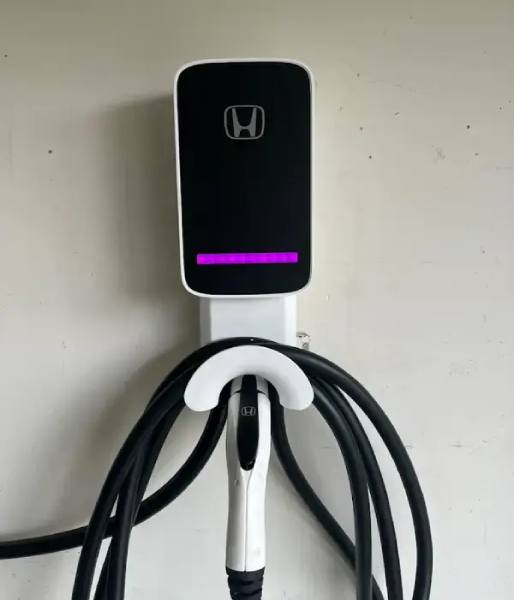
What an EV Charging Specialist in Indianapolis Checks in the First Ten Minutes of a Site Visit
In the first ten minutes, an EV charging specialist in Indianapolis usually checks your main panel’s amp rating, open breaker space, signs of wear or heat, the large appliances already on your service, and the distance from the panel to where you park. Those quick checks show whether a charger fits as things stand or needs more work first.
Why the First Ten Minutes Matter
Ten minutes doesn’t sound like much. But an EV charging specialist in Indianapolis can learn a lot in that short window, often enough to tell whether the job is simple or headed toward a panel upgrade.
You might notice the visit starts in the basement or utility room, not where the charger will hang. That’s on purpose. An EV charging specialist in Indianapolis follows the power from its source first, then works outward toward your parking spot.
Minutes One to Three: The Panel Label
The first stop is almost always the panel door.
The label and main breaker show your service size. That number matters because most Level 2 chargers need 30 to 50 amps, and a home with a 100-amp panel may need an upgrade to 200 amps.
A 200-amp panel with open spaces often means a short visit. A 100-amp panel that’s already full means the next few minutes carry more weight. A 240-volt charger usually needs a two-pole breaker, which takes up two full spaces.
Minutes Three to Five: Condition and Warning Signs
Next, the specialist looks for trouble. Things like:
- Scorch marks or melted insulation near breakers
- Rust or moisture inside the panel box
- Two wires jammed under one breaker screw
- Breakers that feel warm to the touch
Any of these can pause the charger talk. Not fun to hear, perhaps. But here is why it matters. Charging equipment has to be protected for continuous duty, rated at no less than 125 percent of its maximum load. A panel that already shows heat damage won’t handle hours of steady current every night.
Minutes Five to Seven: What Already Runs on the Service
Then comes a quick look at the big loads. Central air, an electric range, a dryer, an electric water heater, maybe a hot tub. Each one takes a share of the panel.
This isn’t the formal load calculation yet. That comes later, on paper. Under the standard method, the calculation adds 7,200 volt-amps per charger outlet or the charger’s actual continuous load at 125 percent, whichever is greater. The quick count just tells the specialist whether those numbers will likely come out tight.
Minutes Seven to Ten: The Path to the Parking Spot
Next steps take the specialist outside the utility room. The walk from panel to parking spot answers several questions at once:
- Distance. A long run to a detached garage may call for a larger wire size.
- Route. An open basement ceiling is easy. Finished walls mean more labor, and sometimes drywall patching.
- Mounting spot. The unit should sit close enough to your charge port that the cable reaches without strain.
- Outdoor exposure. Plug-in chargers on circuits of 50 amps or less at up to 250 volts need GFCI protection, and outdoor units need weather ratings.
- Wi-Fi signal. Smart chargers that schedule sessions need a connection at the mounting spot.
Sometimes ten minutes covers all of this. In older homes, it can take longer, and that’s normal.
Frequently Asked Questions
Does a site visit from an EV charging specialist in Indianapolis cost anything?
Some installers charge a trip fee and others fold it into the estimate. Asking when you book avoids surprises.
How long does the full visit take?
The first checks take about ten minutes. Measurements and questions often stretch the whole visit to half an hour or more.
How should you prepare for the visit?
Clear a path to your panel and parking area, and have your car’s model and year handy. A photo of the panel label helps too.
Do you need to be home during the visit?
Usually, yes. The specialist needs panel access and may ask where you park and how far you travel each day.
How soon can the install happen after the visit?
That depends on permit timing and whether the panel needs work first. A simple job may move within days, while an upgrade takes longer.
What a Short Walkthrough Tells You About the Job Ahead
The first ten minutes of a visit cover the panel label, its condition, the loads it already carries, and the path to your parking spot. Together, those checks point to a quick install, some added wiring, or a panel upgrade before any charger goes on the wall.