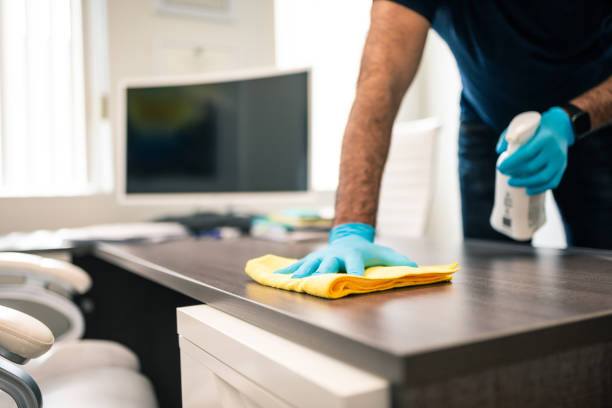
Building a Smart Schedule for Office Cleaning in London
Getting office cleaning in London right means planning when it happens, not just that it happens. A good schedule keeps your office fresh without disrupting work. A poor schedule creates frustration and leaves spaces neglected. The difference comes down to thinking through your specific needs and matching them to a realistic plan that actually works for your business.
Building a smart schedule for office cleaning in London starts with understanding your office. How many people work there? What areas get the most traffic? Are you open to the public? Do you have clients visiting daily or occasionally? These questions shape what frequency makes sense. A small office with a handful of staff has different needs than a large open-plan space with constant foot traffic. The schedule should fit your reality, not some generic template.
Creating a practical plan for office cleaning in London also means thinking about timing. Most offices prefer cleaning outside business hours so staff can work uninterrupted. Early mornings before people arrive or evenings after people leave work are best. Some offices do spot cleaning during the day and save the deeper work for nights and weekends. What works depends on your schedule and how much disruption you can tolerate.
Daily Tasks Versus Deeper Work
Not everything needs the same attention every day. High-traffic areas need daily attention. Bathrooms get used constantly. Reception areas see footprints and marks. Kitchens accumulate spills. These spaces benefit from daily tidying and spot cleaning. It keeps them from deteriorating.
Less-used areas can go longer between deep cleans. Conference rooms used occasionally don’t need daily attention unless they’re visibly soiled. Storage areas and fewer public spaces can be scheduled less frequently. Spreading work this way keeps costs reasonable while maintaining standards.
Deep cleaning is different. Carpet shampooing, window washing, and thorough furniture cleaning happen less often. Monthly or quarterly deep cleaning keeps your office looking fresh without constant major work. The exact frequency depends on your office type and traffic volume.
Fitting It Around Your Work
Timing matters more than people realise. An early morning clean before 7 am means people arrive at a fresh office. An evening clean after 6 pm happens after work ends. Both avoid disrupting the workday. If your office stays open late or has evening events, adjust timing accordingly.
Some offices do a combination. A morning tidy takes 30 minutes and focuses on high-traffic areas. An evening clean handles deeper work. This approach keeps the office presentable throughout the day while saving more extensive cleaning for quieter times.
Consider your staff schedule too. If people work different shifts, a 24-hour schedule is harder to maintain. If everyone works 9 to 5, you have clear windows for cleaning outside those hours.
Seasonal and Seasonal Adjustments
Winter in London brings mud and wet conditions. Entrance areas need more frequent cleaning during rainy months. Spring cleaning addresses the buildup from winter. Summer often means more outdoor activity, so less dirt is tracked inside. Adjusting schedules seasonally keeps work matched to actual conditions rather than a fixed year-round plan.
Traffic patterns shift with seasons. Holiday periods often see reduced office occupancy. Summer holidays mean fewer people around. Scheduling heavy cleaning during these quieter times makes sense. You get thorough work done without disrupting a busy office.
Space Size Matters
A small office cleans faster. A large open-plan space with multiple floors takes longer. Your schedule should account for actual space. An office that takes four hours to clean properly shouldn’t be squeezed into a two-hour window. Realistic timing prevents half-finished work and poor results.
Larger offices might need cleaning multiple times daily in different areas. Reception areas get morning attention. Mid-morning handles other spaces. Evening work tackles remaining areas. Breaking it up keeps everything fresh throughout the day.
Frequently Asked Questions
How often should most offices have cleaning?
Daily touch-ups for high-traffic areas and weekly deep cleaning for most office spaces work well, though frequency depends on foot traffic and business type.
Is early morning or evening cleaning better?
Both work depending on your schedule. Early morning means you start the day fresh. Evening cleaning happens after work ends and doesn’t disrupt the workday.
Do all areas need the same cleaning frequency?
No. Bathrooms and entrances need frequent attention, while less-used spaces can be cleaned less often, making schedules more efficient and cost-effective.
Can cleaning schedules change with the seasons?
Yes. Rainy seasons need more entrance cleaning. Quieter periods allow for deeper cleaning that’s harder during busy times.
Building Your Plan
A smart schedule for office cleaning in London aligns with how your business actually operates. It accounts for space, traffic, timing, and seasonal shifts. Rather than a one-size-fits-all approach, your plan should reflect your specific needs. This is how you maintain a clean office without wasting time or money.
Featured Image Source: https://media.istockphoto.com/id/1294313698/photo/man-disinfecting-an-office-desk.jpg?b=1&s=612×612&w=0&k=20&c=QEzf-nC4wlt6x-hTwhT6HkLvOy00lSQpjkwTOmG4V0U=